India has a way of overwhelming you in the best possible sense, and this 9-day journey through South India and Mumbai, hosted by our DMC partner Platinum by Trans India, was a masterclass in exactly that. From the moment we touched down in Chennai, we were in the hands of the most thoughtful and detail-oriented team. For clients who only know India through the lens of the Golden Triangle, this itinerary will show them a side of the country they never knew existed.
The Overview
We moved through five distinct destinations, each with its own personality: the colonial layering of Chennai, the French-tinged charm of Pondicherry, the temple-town heritage of Kumbakonam, the aristocratic mystery of Chettinad, and the electric energy of Mumbai. Platinum by Trans India wove it all together seamlessly, with private guides, curated cultural experiences, and exceptional hotel partners at every stop.
Day-by-Day Highlights
DAY 1
Arrive Chennai
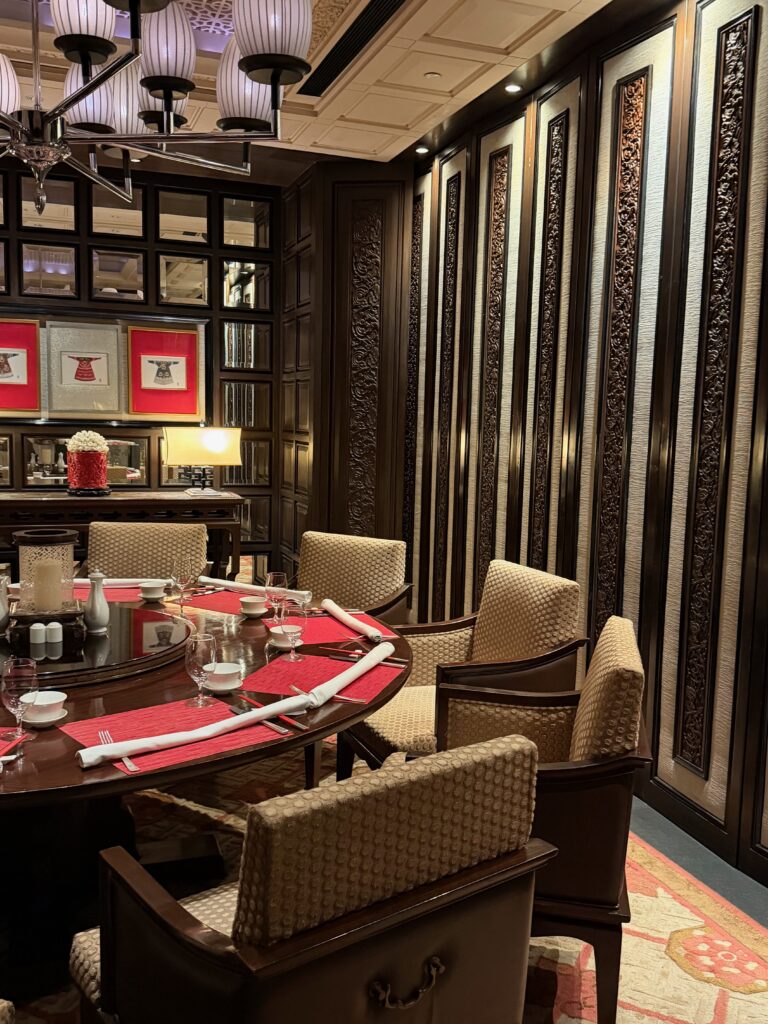
Arrival was effortless — a Platinum by Trans India representative met us right at baggage claim and handled everything from that moment forward. We settled into the Leela Palace, one of Chennai’s finest, and headed to dinner at China XO. A smooth, luxurious start.
DAY 2
Chennai — Mahabalipuram — Pondicherry
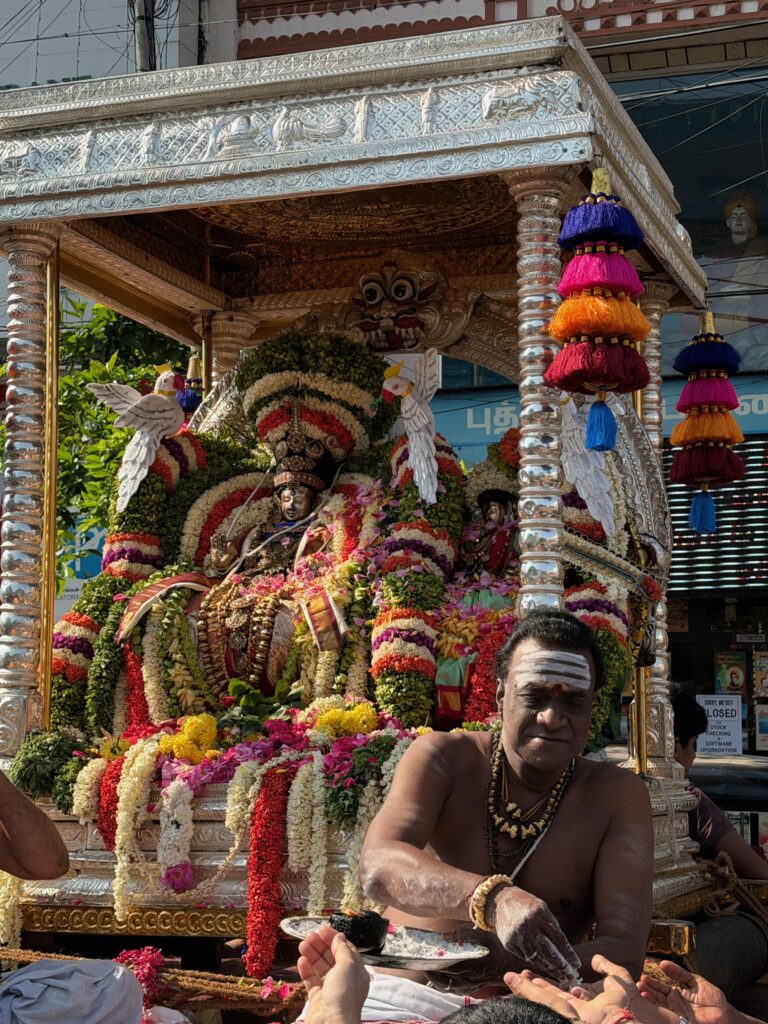
The morning began with a guided city tour, and we lucked into something extraordinary: the Panguni Peruvizha Festival at the 7th-century Kapaleeshwar Temple in Mylapore. The air was thick with incense and marigold garlands, drums rang through the streets, and we watched as brilliantly decorated deity chariots were paraded through the neighborhood before being returned to the temple. It was an immediate, full-sensory immersion into Tamil culture — exactly the kind of serendipitous moment that makes travel so special. From there we visited San Thome Cathedral the UNESCO World Heritage Site of Mahabalipuram, with its stunning Pallava-era rock-cut temples along the Bay of Bengal, before driving to Pondicherry. Dinner at Hotel Sanctuary Amaidiyana was a standout: fresh, beautifully prepared, and nourishing after a full day.
Day 3
In Pondicherry
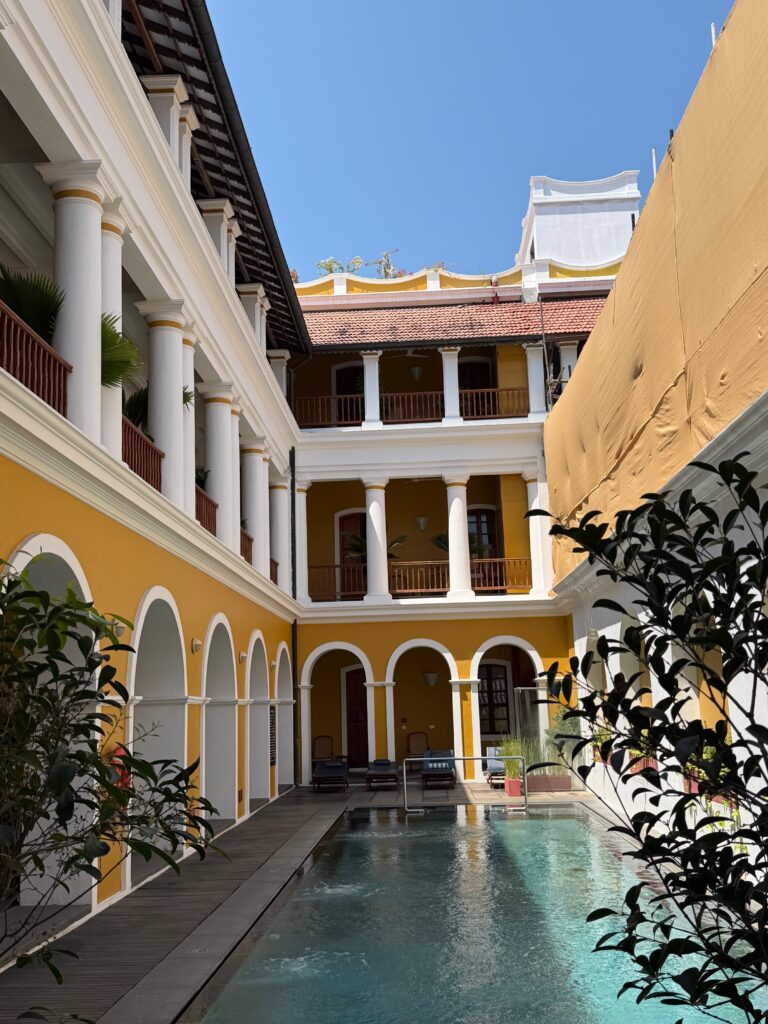
Pondicherry quickly became a favorite. We began the morning at Auroville, the remarkable international community and spiritual experiment outside the city, visiting their sound garden and musical instrument workshop. Lunch was at Palais de Mahe, a beautifully restored CGH Earth boutique hotel with a mustard-yellow façade that has made it one of the most photographed spots in Pondicherry. The afternoon brought us through the boutique-lined, tree-canopied streets of the French Quarter, with a stop at the Cluny Art Embroidery Society to watch artisans at work. The town’s colonial villas, its breezy position on the Bay of Bengal, and its uniquely Franco-Indian atmosphere make it an easy place to recommend to any traveler who values beauty, character, and a more laid-back vibe.
Day 4
Pondicherry — Kumbakonam
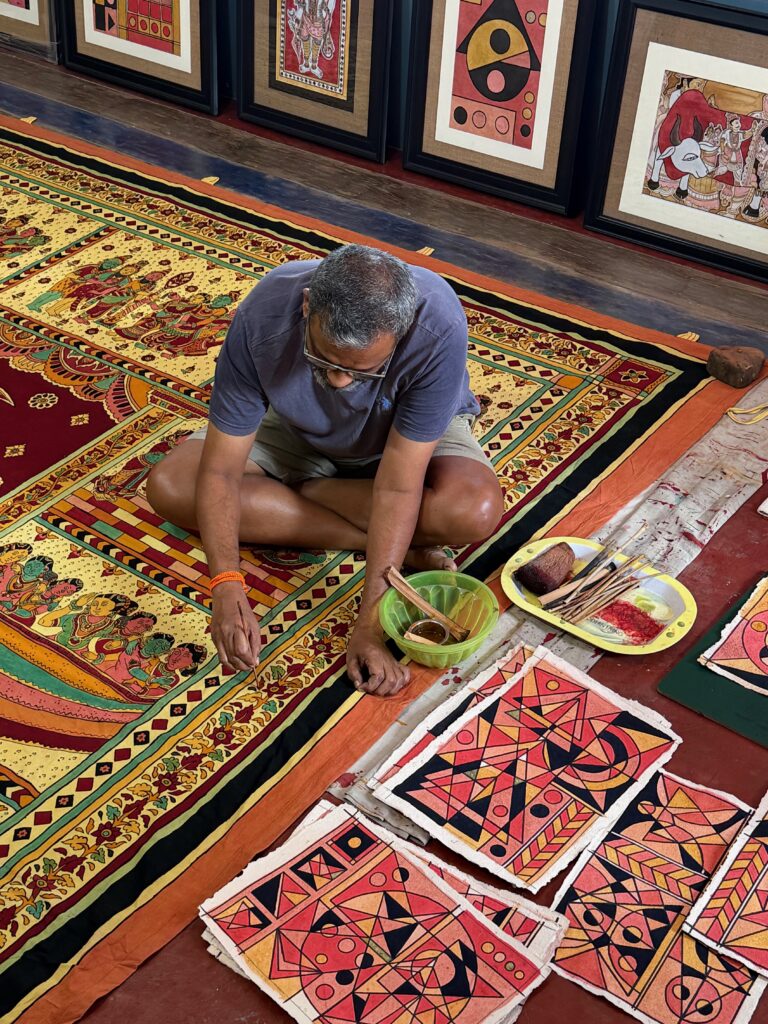
En route to Kumbakonam, we stopped at Gangaikonda Cholapuram, an 11th-century Chola masterpiece that offers a captivating glimpse into South India’s imperial past. We also visited a Kalamkari artisan, who walked us through this ancient fabric-painting tradition that has been in his family for generations. Hotel Mantra Koodam, our home for the next two nights, was a wonderful surprise: beautifully set along the riverbanks, with an exceptional staff and a particularly knowledgeable resident naturalist. Lunch was a traditional Cholanadu feast served on a banana leaf, followed by an afternoon tea ritual at the hotel’s thatched Tea Kadai and a visit to a silk weaving workshop. Dinner was served along the river, under the moonlight.
Day 5
In Kumbakonam
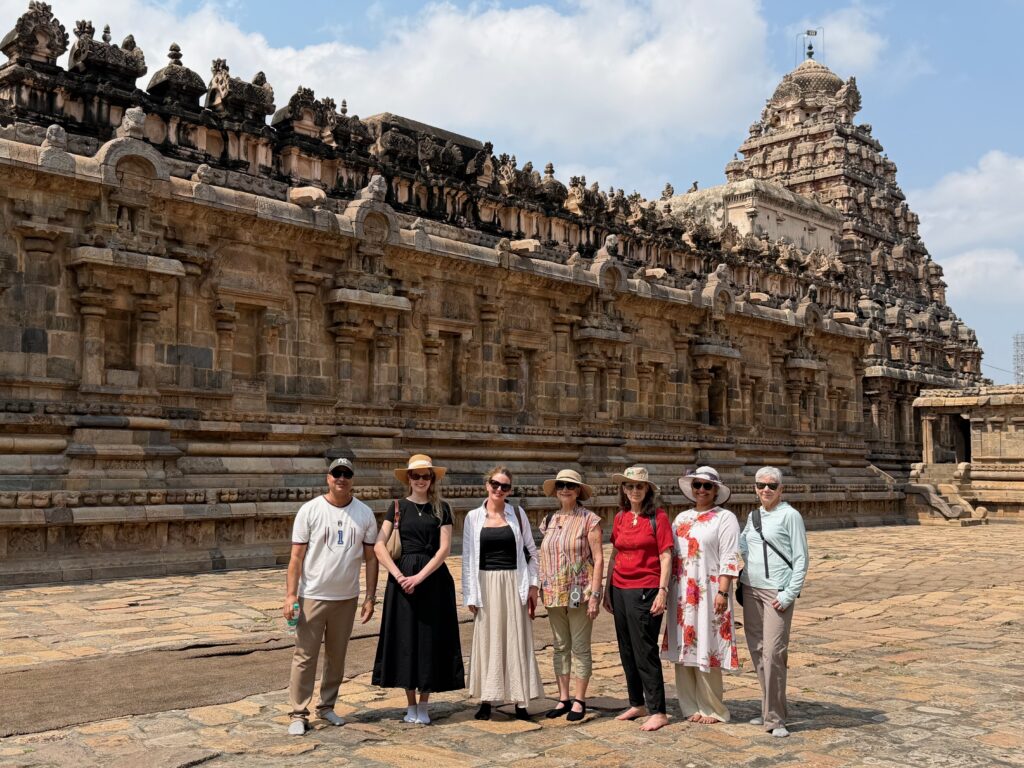
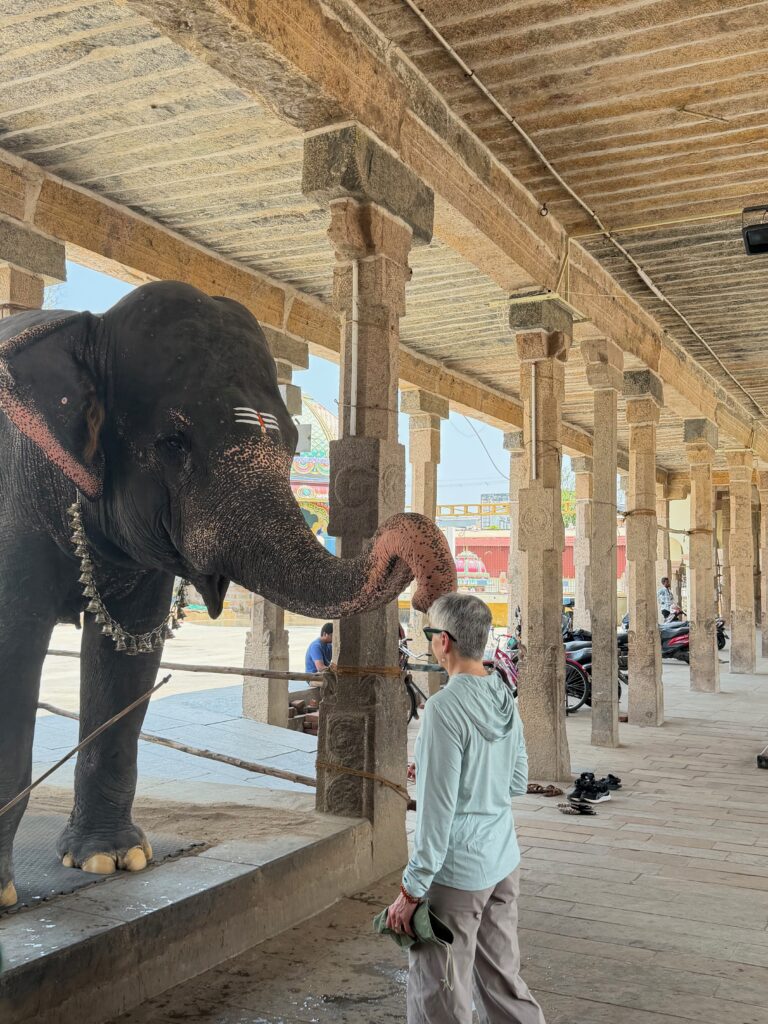
A full day of immersive experiences: we explored the hotel’s butterfly garden and planted our own flowers, visited the magnificent UNESCO-listed Airavateswarar Temple, spent time with a local silk weaving family in their workshop, and received an elephant blessing at the Adi Kumbeswarar Temple — one of those unexpected moments that simply cannot be manufactured. We also browsed the sprawling local market, witnessed the extraordinary lost-wax bronze casting craft at Swamimalai (the world capital of Hindu bronze iconography), and finished the day with a scenic bullock cart ride through the village. This was one of the most activity-rich days of the trip, and every moment was fascinating.
Day 6
Kumbakonam — Thanjavur — Chettinad
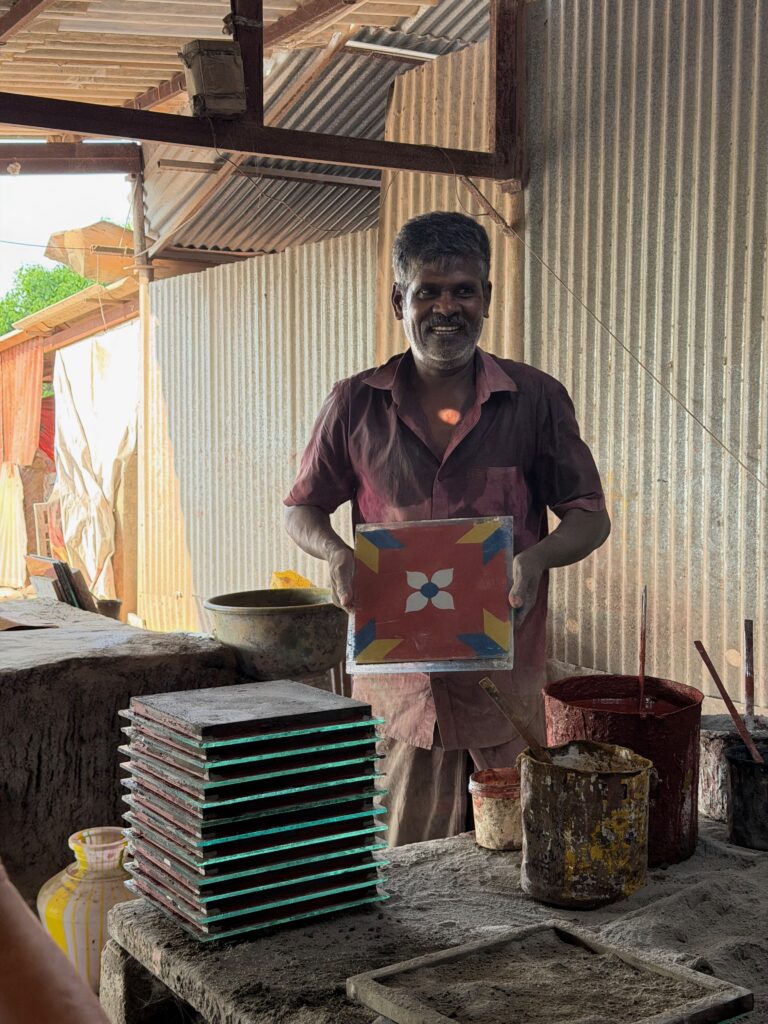
We began with a visit to the Brihadeeshwara Temple in Thanjavur — its soaring 200-foot granite vimana is one of the great architectural achievements of the ancient world. Then it was on to Chettinad, a region unlike anywhere else in India. The Chettiars were global traders whose wealth came home in the form of extraordinary mansions filled with Burmese teak, Italian marble, and Portuguese tile. Hotel Visalam, a beautifully restored heritage property, fit the setting perfectly. The afternoon brought a curated ‘Glimpses of Chettinad’ tour with a passionate local guide through the mansions, the Athangudi tile workshop (where hand-pressed terracotta tiles are still made exactly as they were 200 years ago), and the weekly village market. The evening ended with a Chettinad cooking demonstration at the hotel, where we learned how to prepare a delicious local dish.
Day 7
Chettinad — Madurai — Mumbai
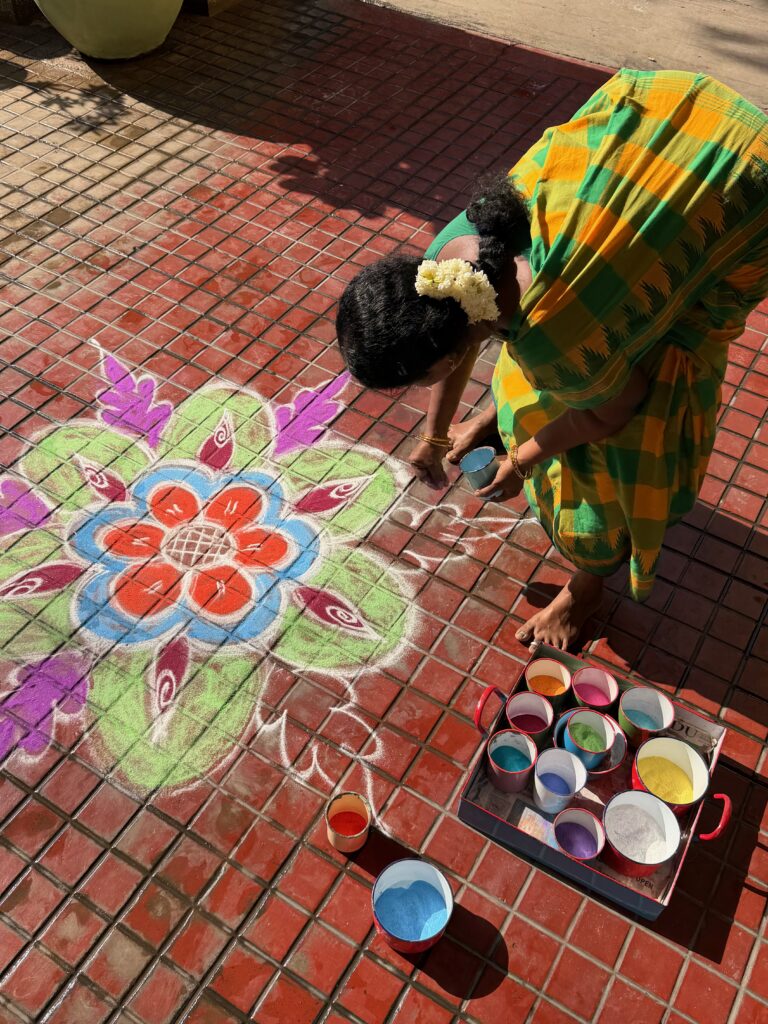
We started the morning with a beautiful sunrise cycling ride through the village lanes. There was also a Kolam drawing demonstration, the ancient Tamil art of creating intricate floor patterns at the threshold of one’s home. Then we flew from Madurai to Mumbai, where The Oberoi more than delivered on its reputation. Sunset cocktails on the outdoor deck of The Eau Bar was an unforgettable welcome to the city, with views looking out over the Arabian Sea as the city lit up below us. Dinner followed at Ziya, the hotel’s celebrated Indian restaurant curated by Michelin star chef Vineet Bhatia.
Day 8
In Mumbai
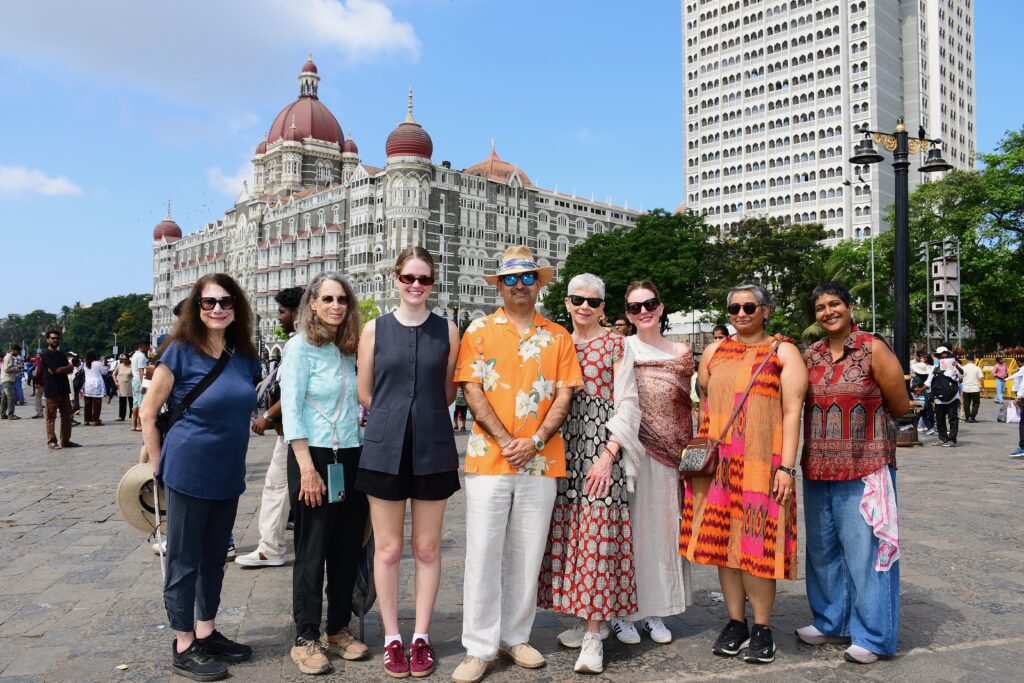
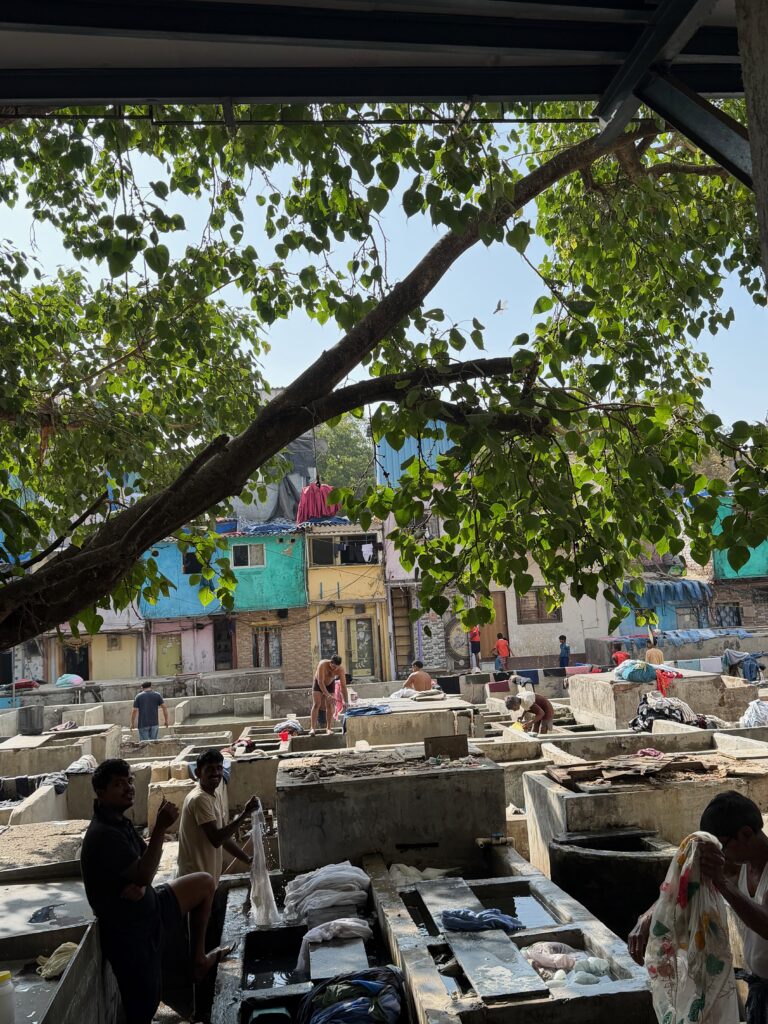
Mumbai’s scale and energy are something that must be experienced firsthand. Our city tour covered the UNESCO World Heritage Precinct, Dhobi Ghat (the world’s largest open-air laundry, a genuinely mesmerizing sight), the Gateway of India, the Victorian Gothic grandeur of Chhatrapati Shivaji Terminus, Mani Bhavan (Gandhi’s Bombay headquarters, now a museum), and the National Museum of Indian Cinema. From there we stopped to make our own vada pav, Mumbai’s iconic street food sandwich, on the way to a Bollywood dance class, which was such a fun way to end the trip.
The Bottom Line
This itinerary works because it’s not just about seeing a lot—it’s about actually experiencing each destination. Platinum by Trans India has a real talent for getting clients off the beaten path, not in a rough-it way, but in a way that reveals layers of culture and history that most visitors simply never access. The combination of UNESCO temples, living craft traditions, colonial architecture, and extraordinary food makes this a very interesting itinerary for culturally curious travelers.
Interested in sending clients on this journey?
Reach out to Waterstone and we’ll connect you with our colleagues at Platinum by Trans India for more information, pricing, and custom itinerary options.